THANK YOU FOR SUBSCRIBING

× 
Food and Beverage Tech Review Weekly Brief
Be first to read the latest tech news, Industry Leader's Insights, and CIO interviews of medium and large enterprises exclusively from Food and Beverage Tech Review

By Enrique Leon, AI Enterprise Architect, American Sugar Refining Inc
Enhanced Precision Agriculture using Cloud Based AI
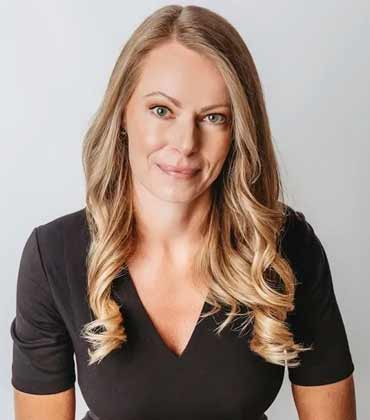
By Keira Lombardo, Chief Strategy Officer, Cal-Maine Foods Inc
Building Durable Growth in Food Systems


By Arun Ahuja, Senior Vice President & General Manager, Healthcare & Corporate at Transact + CBORD
The Path of Least Resistance: Connecting Hospital Food...

A Quality-First Leadership Framework for Trust and Performance
Kortnei Gabbard, Quality Assurance Manager, Lassonde Pappas & Company
 Kortnei Gabbard, Quality Assurance Manager, Lassonde Pappas & Company
As a Quality Assurance Manager at Lassonde Pappas & Company, Kortnei Gabbard leads efforts to maintain food safety and quality standards across operations. She has a background that spans quality assurance and operations work in the food and beverage industry, including leadership roles in manufacturing and service environments.
Through this article, the author shows how quality assurance shapes strong leadership by making accountability, prevention and integrity central to every decision. It explains how leaders use data, audits and clear ownership to drive consistent results, protect the customer and build teams that value transparency, responsibility and continuous improvement.
Leadership Through QA: Accountability as the Anchor
Accountability has been the most important quality assurance skill shaping my leadership approach. In QA, accountability ensures consistent standards, clear ownership and reliable outcomes and I carry those principles into how I lead teams. I set clear expectations, define responsibilities and emphasize follow-through so individuals understand how their work impacts overall quality. I also believe accountability starts with leadership. By owning decisions, addressing issues transparently and focusing on problem-solving rather than blame, I help create a culture of trust and continuous improvement. This approach not only drives strong quality results but also supports team development and long-term performance.
Quality Risk Management: Proactive Control Before Customer Impact
I identify and address quality risks by applying a continuous improvement mindset before issues reach production or customers. I proactively review process data, audits, KPIs and feedback to identify trends and potential risks early. This allows problems to be addressed upstream rather than reactively. When risks are identified, I use structured root cause analysis and corrective and preventive actions to strengthen processes and reduce variability. By encouraging open communication and involving the team in ongoing improvement efforts, potential issues are surfaced quickly and improvements are sustained. This proactive approach helps protect production efficiency while consistently delivering quality to the customer.
Decision-Making Framework: Protect, Comply, Then Optimize
My decision-making is guided by a clear hierarchy; protect the customer, meet compliance requirements and optimize for current business needs—in that order.
"Effective quality leadership goes beyond knowing requirements—it requires the confidence to stand behind them while driving impactful, sustainable improvements."
I start by clarifying the customer expectation (safety, reliability, on-time delivery) and the non-negotiables in our regulatory and policy framework. From there, I look for the most efficient, lowest-complexity way to achieve both—favoring solutions that are scalable, auditable and reduce future rework.
Consistency and Accountability: Audit-Led Discipline Across Teams
I ensure consistency and accountability by combining open communication with structured auditing processes. Open communication sets clear expectations and keeps teams aligned, while audits verify that standards are consistently followed and opportunities for improvement are identified. Auditing processes reinforce accountability by providing objective, data driven insight into how well procedures are being followed. Routine audits, layered process checks and follow up actions ensure gaps are addressed promptly and corrective actions are sustained. Together, open communication and auditing create a consistent, accountable quality culture that supports compliance, continuous improvement and reliable results across teams.
Role of Data and Auditing: Turning Insight into Sustained Improvement
Data and auditing go hand in hand in driving continuous improvement.
Data provides the insight needed to understand current performance, identify gaps and prioritize improvement opportunities, while auditing ensures that the improvements made are consistently followed and sustained over time. Data-driven approach allows issues to be addressed at the root cause level and ensures that improvement efforts are focused on areas with the greatest impact. Data removes subjectivity and enables informed decision-making based on measurable results. Auditing then plays a critical role in sustaining those improvements.
Wisdom from Experience: Be fearless and Trust Your Professional Instincts
Quality leaders are often the voice of integrity in the organization and if something doesn’t feel right, it usually isn’t.
Having the confidence to raise concerns—even when it’s uncomfortable—is a critical leadership skill. Don’t be afraid to push the envelope by asking hard questions, challenging inefficient processes, or proposing better ways of working. Growth in QA leadership comes from stepping beyond compliance alone and focusing on how quality enables the business and protects the customer.
Strong leaders balance risk, data and real-world operational pressures without compromising standards. Effective quality leadership goes beyond knowing requirements—it requires the confidence to stand behind them while driving impactful, sustainable improvements.

Read Also

Food Safety: An Enterprise Risk in High-Scale Aviation Catering Systems
Dom Mitial, President of Food, Quality & Regulatory, Goldbergs Group

Owning Safety: A Shift from Rules to Responsibility
Ray Mcguire, CSP, Senior Director, Safety, Fairlife, Llc

Food and Nutrition Innovation through Science-Led Leadership
Loren Ward, Chief Science Officer, Glanbia PLC

How Cloud Computing Impacts Precision Agriculture Technology
Ruohan Liu, Senior Director, Global Operations, Agriculture Supply Innovation, PepsiCo

Enhanced Precision Agriculture using Cloud Based AI
Enrique Leon, AI Enterprise Architect, American Sugar Refining Inc

Building Durable Growth in Food Systems
Keira Lombardo, Chief Strategy Officer, Cal-Maine Foods Inc


Top
