
THANK YOU FOR SUBSCRIBING
× 
Food and Beverage Tech Review Weekly Brief
Be first to read the latest tech news, Industry Leader's Insights, and CIO interviews of medium and large enterprises exclusively from Food and Beverage Tech Review

Westrock Coffee Company
Brooke Cantrell, Vice President of Sustainability and Insights
Building Resilient Supply Chains through Sustainable Leadership
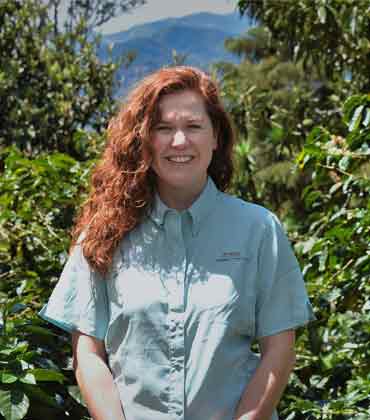
Brooke Cantrell
Leading with Sustainability and Strategic Insight
Stewarding relationships with both farmers at the origin of our supply chain and customers at its end has pushed me to think constantly about our full impact on the global food and beverage industry. Paying attention to details while understanding the full scope has broadened how I tackle issues of any size and how I lead my teams to consider the bigger picture we fit into. From a leadership perspective, it forces me to be methodical and intentional to take in the entire context before I make a decision, whether that decision influences the start of the supply chain, the consumer at the very end or our own team. Challenges in Embedding Sustainability into Business Strategy The biggest challenge comes when sustainability is bolted onto a business strategy after the fact, rather than built in from the start. For us, we opened Westrock Coffee and Rwanda Trading Company to solve systemic sustainability and economic responsibility problems from the ground up—so the bolt-on method was never our path. The real challenge for an organization as large as ours is keeping the real impact of our daily decisions front and center across our teams. With sourcing, sales, operations, finance, risk management, and sustainability all making complex daily decisions, we have to help the whole organization see the stakes — many decisions can either expand or narrow growth opportunities for our supply chain partners. Using Data and Insights for Sustainable Decision-Making Data isn’t just shaping what products are developed—it also closes the farmer-consumer loop. Consumer data and insights drive what we make, how we advise customers’ supply chain decisions, and how they position our farmer partners' raw materials on a finished product. The field data we monitor – farm economics, regenerative agriculture progression, and worker welfare, for example – creates an authentic connection to consumers that drives continual purchase of sustainable products. Key Trends Shaping the Future of Sustainability It's not so much about tracking trend lines in sustainability. It’s about how we're operating today and planning to operate tomorrow. Several major compliance requirements are currently evolving—EPR packaging regulations and EUDR, for example. Focus on proving compliance with requirements can push effort and money into tracking supply chains as they are, rather than helping them transition to what they should be. The real focus needs to be on building a viable, resilient food and beverage industry that fosters conservation agriculture, human rights protections, and economically stable farms. Sometimes that means spending less energy on the next compliance mechanism and more on getting into the field and doing the work. Advice for Future Sustainability and ESG Leaders I have found that there will always be infinitely more to learn than I can contribute. So my advice would be to listen more than you speak. When you listen, your context starts to grow large enough to connect the dots across complex issues. This helps you and those around you understand how to be effective in building scalable, sustainable solutions.The articles from these contributors are based on their personal expertise and viewpoints, and do not necessarily reflect the opinions of their employers or affiliated organizations.

Top
